
Milford, Massachusetts · Outpatient mental health care
Trauma and PTSD Support in Milford, MA
When the effects of trauma are making daily life harder, a conversation about care can be a place to start. Brave Path Recovery provides outpatient mental health and substance use treatment for adults in Milford. Our team can help you discuss your concerns, explore program options and understand whether our setting fits your needs.
When to talk with a mental health professional
Trauma-related difficulties can include unwanted memories, nightmares, avoiding reminders, feeling constantly on guard, or changes in mood and connection with other people. Not everyone who experiences trauma develops PTSD. A qualified mental health professional can assess what is happening and discuss appropriate care. The National Institute of Mental Health explains PTSD symptoms and assessment.
You can contact BPR before you have a diagnosis. It may help to describe how you are sleeping, managing work or home responsibilities, and coping day to day. Bring questions about previous treatment, current medications or concerns about alcohol or other substances.
How outpatient care may fit
Brave Path’s outpatient programs provide structured care while people continue living in the community. Our options include Part-Time Day Treatment and Full-Time Day Treatment. An assessment helps determine the appropriate level of support, taking account of symptoms, safety needs and the support available outside treatment.
When trauma-related concerns occur alongside substance use, it is helpful to discuss both during the assessment. Our dual diagnosis care addresses co-occurring mental health and substance use needs. The plan should also account for any existing therapist, prescriber or other care team.
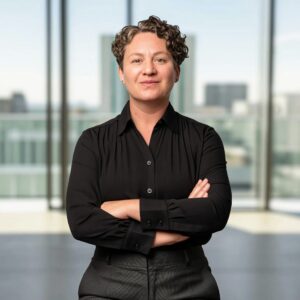
Meet Danielle Patterson, LICSW, LADC I
Danielle is a member of the Brave Path Recovery team and brings nearly twenty years of experience in behavioral healthcare. Her background includes multidisciplinary team leadership and work in partial hospitalization, intensive outpatient care, community mental health, hospitals and clinical research.
Read Danielle’s biography and credentials. For current clinician availability and treatment options, speak with admissions.
Choosing care for your specific needs
PTSD treatment should be matched to the person and delivered by a professional with relevant experience. The VA National Center for PTSD describes treatment options and encourages people to weigh their preferences, benefits and risks with a healthcare provider.
During your conversation with BPR, ask:
- Who would provide my care, and what is their experience with concerns like mine?
- Which approaches are currently available, and why might they fit my needs?
- Would a day program, individual outpatient care or a specialist referral be most appropriate?
- How would treatment fit with my existing care and responsibilities?
- How will we discuss progress and changes to the plan?
If you are looking for a particular trauma therapy, ask about that method and the clinician’s training before arranging treatment. An admissions conversation can clarify current services and whether a referral or different setting is needed.
Common questions
Do I need a PTSD diagnosis before contacting BPR?
No. You can call to describe your concerns and ask about an assessment. A qualified clinician can help clarify your symptoms and the type of care that may fit.
Can I ask about trauma and substance use together?
Yes. Tell the team about both concerns, including any treatment you already receive. BPR provides care for co-occurring mental health and substance use needs; an assessment determines whether the program is appropriate for you.
How do I find out about availability and costs?
Call admissions to discuss current program and clinician availability, costs and scholarship eligibility. Review our admissions and scholarship information before your conversation.
Talk with Brave Path Recovery
We are at 321 Fortune Blvd, Suite 202, Milford, MA 01757. Call (617) 991-3664 or send an inquiry to discuss assessment and next steps.
If you need immediate crisis support, call or text 988. For a life-threatening emergency, call 911.