
Written by Brave Path Recovery | Last updated April 26, 2026
Educational content for adults and families exploring outpatient mental health and substance use care in Massachusetts.
A guide for people wondering whether treatment always means leaving home, work, family, or daily life.
Many people delay asking for help because they think recovery support automatically means leaving home. Sometimes a higher level of care is needed, especially when safety or medical concerns are present. But for many adults, outpatient treatment can provide structured support while they continue living in the community.
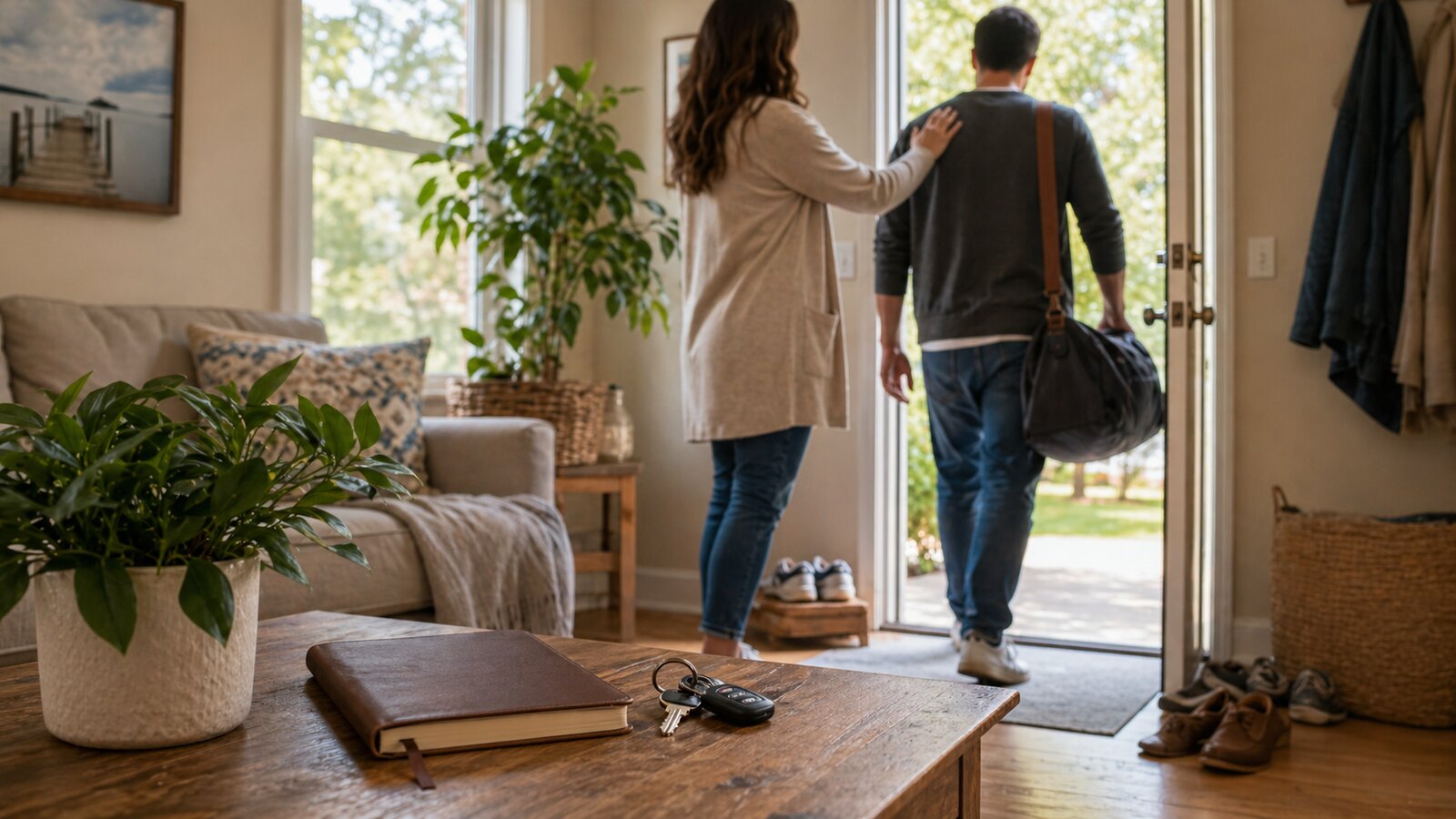
At Brave Path, outpatient rehab in Milford is built around the reality that recovery has to work in daily life. People practice skills at home, in relationships, at work, and during ordinary stressful moments.
Need help sorting out the next step?
A confidential conversation can help you understand whether outpatient support is a fit and what questions to ask next.
How to use this guide
Use this guide as a starting point, not a self-diagnosis. The goal is to help you notice patterns, ask better questions, and decide whether a confidential conversation about treatment while living at home would be useful. You do not need to have the situation perfectly labeled before reaching out.
If you are reading for yourself, pay attention to the parts that make you feel seen, defensive, relieved, or worried. Those reactions can point to what matters most. If you are reading for someone else, try to focus on observable changes instead of arguments about character or willpower.
What to have ready before you call
Before calling, it can help to jot down the main concern, how long it has been happening, any immediate safety worries, substances involved if any, mental health symptoms, previous treatment experiences, payment and scholarship questions, and practical barriers such as transportation or work schedule.
You can still call without all of that information. A first conversation should help organize what you know, identify what still needs to be clarified, and turn a stressful situation into a calmer next step.
What an assessment can clarify
A good assessment is not about forcing someone into a label. It should clarify what is happening now, what risks need attention, what supports already exist, and what kind of outpatient help could realistically fit the person’s life.
For families, this can be a relief. Instead of carrying the whole decision alone, you can bring the facts to a treatment team and ask for a grounded recommendation. Even when outpatient care is not the first step, the assessment process can help point the conversation in a safer direction.
The best next step is usually the one a person can actually take. Sometimes that means calling today. Sometimes it means gathering payment information, talking with a loved one, or writing down what has changed. Small steps count when they move the situation toward clarity and support. That is real progress.
The short answer
Yes, some people can receive outpatient care while still living at home. The key question is whether the person can stay safe, attend appointments consistently, and use the support available between sessions.
Outpatient treatment is not a shortcut. It asks people to practice recovery in the same environment where triggers may exist. That can be challenging, but it can also make the learning very practical.
What living at home during treatment requires
- A safe enough home environment.
- Transportation or reliable access to appointments.
- Willingness to be honest about cravings, setbacks, and risks.
- A plan for high-risk times, people, places, or emotions.
- Supportive communication with family or trusted people when appropriate.
- Medical guidance when withdrawal or health concerns may be present.
Why outpatient treatment can be helpful
Outpatient care lets people practice recovery where life actually happens. Someone can learn how to handle a stressful workday, a family conflict, a lonely evening, or a craving after passing an old trigger. The treatment room becomes a place to prepare, process, and adjust.
Care may include individual support, group therapy in Milford, relapse-prevention planning, and help addressing mental health symptoms that make substance use more likely.
When living at home may not be enough
Outpatient care is not right for every situation. Immediate safety concerns, dangerous withdrawal risk, unstable housing, or severe symptoms may require urgent medical or crisis support first. A responsible treatment provider should be honest about those limits.
If both substance use and mental health symptoms are active, the assessment should explore whether dual diagnosis treatment is appropriate.
How to prepare your home routine
- Remove or avoid obvious triggers when possible.
- Set appointment times on a calendar and protect them.
- Choose one or two people who can support accountability.
- Plan what to do after cravings, arguments, or lonely moments.
- Keep emergency and crisis resources easy to find.
If you are unsure whether outpatient care fits, start with Brave Path’s structured support in Milford information or contact the team for a confidential conversation.
Common questions
Can living at home make recovery harder?
It can if the home environment is chaotic, unsafe, or full of unaddressed triggers. It can also be helpful when home includes support, accountability, transportation, and a realistic plan for difficult times.
Should family members remove substances from the home?
Often that is a practical step, but it should be part of a larger plan. Recovery is not only about removing access. It is also about coping skills, honesty, routine, support, and knowing what to do when urges appear.
Can someone keep working during outpatient treatment?
Many people do continue working while receiving outpatient support. The feasibility depends on appointment times, stress level, privacy needs, transportation, and whether work itself is a trigger.
What if home does not feel supportive?
Be honest about that during the assessment. The treatment team can help think through boundaries, support people, transportation, safety concerns, and whether outpatient care is enough for the current situation.
Talk with Brave Path about treatment while living at home
If you are trying to make sense of treatment options for yourself or someone you love, a first call can be simple. We will listen, ask a few practical questions, and help you understand a next step without pressure.
Helpful next reads
Sources

Meet the people behind Brave Path Recovery
Damien Trites, Founder & Executive Director, guides Brave Path’s mission and community. Ryann Whitaker, Program Director, leads day-to-day program operations.
Published by Brave Path Recovery. This educational information does not replace an individual assessment. For program questions or to report a correction, contact our team.